The Anatomy of Period Window Profiles & Details
Traditional windows gain their distinctive character from subtle design details: delicate lamb’s tongue glazing bars, sculptural sash horns, meeting rail offsets, and unlacquered cast brass hardware that patinates gracefully over time.
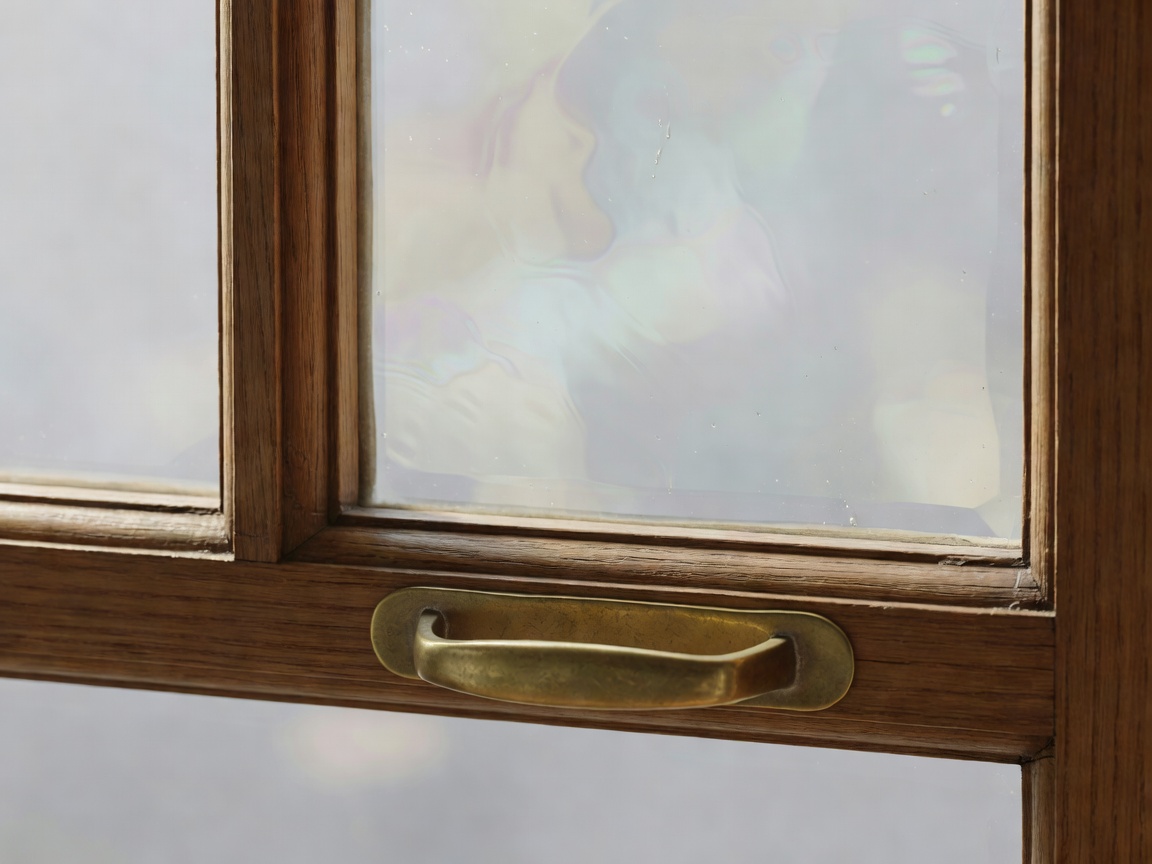
Shadow Lines and Architectural Proportions
When architects designed historic building elevations, window glazing bars weren't merely dividers; they created intricate play of light and shadow across the façade. Replacing slender 16mm historic glazing bars with bulky 28mm modern double-glazed units flattens this depth and disrupts the building’s visual rhythm.
Key Components of Traditional Sash & Casement Joinery
Understanding the individual components of traditional windows ensures that repairs preserve both functional tolerances and authentic aesthetics:
1. Glazing Bar Profiles (Muntins / Astragals)
Glazing bars evolved significantly across different architectural eras:
- Ovolo Moulding: A classic quarter-round profile common in earlier classicist joinery, creating soft, rounded shadow lines.
- Lamb’s Tongue Profile: A graceful double-curved molding featuring a gentle convex shape flanked by delicate fillets. It was widely used throughout the 18th and 19th centuries to visually slim the glazing bar.
- Gothic & Chamfered Profiles: Often found in Victorian Gothic revival homes, featuring sharp angular bevels that emphasize crisp architectural lines.
2. Sash Horns
Early 18th-century sashes used lightweight glass panes and small divided lights, allowing the mortise and tenon joint between the stile and bottom rail to manage the load easily. As larger, heavier plate-glass panes became common in the mid-19th century, joiners extended the vertical sash stiles downward past the meeting rail into decorative "horns." These curved projections reinforced the joint against the strain of heavier glass.
3. Meeting Rails & Weathering Offsets
Where upper and lower sashes meet, their horizontal rails interlock when closed. Historic meeting rails were carefully beveled with an interlocking rebate to shed wind-driven rain and prevent air drafts.
"Details like horned stiles and lamb's tongue astragals aren't merely decorative flourishes; they represent clever engineering solutions to glass weight and water shedding developed over centuries."
Period Ironmongery: Function and Materiality
Historic window hardware was typically cast from solid bronze, unlacquered brass, or forged iron. Unlike modern plated alloys that peel and pit, solid brass hardware develops an attractive, protective patina through years of daily handling.
Fitch & Acorn Fasteners
Rotating quadrant cam catches mounted on the meeting rail that pull the upper and lower sashes snugly together, compressing the horizontal seam against drafts.
Axle Pulleys & Cords
Heavy cast-brass pulley wheels housed within faceplates in the upper box casing. Braided organic flax or cotton cords suspend counterweights within hidden wall pockets.
Casement Stays & Fasteners
Drop-handle spoon or monkey-tail peg stays that lock outward-opening casements at various positions, regulating ventilation during gentle breezes.
Internal Timber Shutters & Architraves
In classical townhouses, windows were engineered as complete environmental systems. Panelled internal pine or oak shutters folded neatly into recessed wall pockets (shutter boxes) during daylight hours.
At night, closing and barring these timber shutters created a deep insulating air pocket between the cold glass and the interior room. Modern energy models confirm that closing solid wood shutters provides thermal protection comparable to modern insulated curtains, all without altering the historic exterior appearance.
When Detailing Requires Careful Archival Study
When fabricating replacement glazing bars or missing sash horns, accurate measurements must be taken from surviving original windows on the property to replicate exact profile curves rather than using off-the-shelf modern moldings.
Hardware Restoration Tip
Avoid harsh chemical dipping that strips natural patinas from antique brassware. Gentle boiling in water with a drop of mild dish detergent softens decades of overpainted paint without eroding the underlying metal.