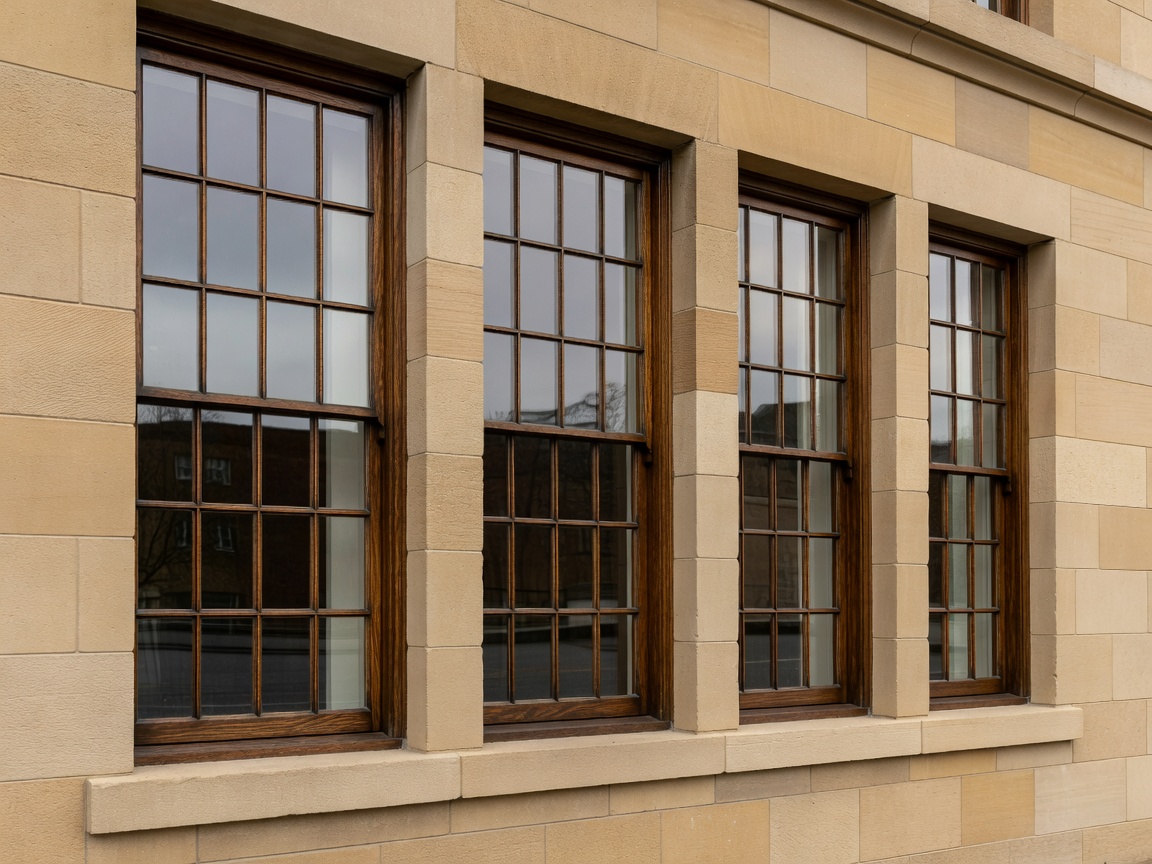
Restored traditional multi-pane timber sash windows set within a dressed limestone European façade
Architectural Conservation Journal & Technical Reference

Restoring windows. Preserving character.

Traditional fenestration forms the expressive countenance of historic European streetscapes. When timber, profile geometry, and hand-drawn glass survive, they hold authentic material memory that modern replacements simply can’t match.

Restoration requires methodical diagnosis: assessing species-specific grain rot, stabilizing historic linseed putty beds, re-balancing counterweights, and mitigating air infiltration without sacrificing original fabric.

Core Philosophy Minimum Intervention
Joinery Standard Traditional Mortise & Tenon
Surface System Breathable Linseed Oil
SECTION 01 / PRINCIPLES

The Value of Preserving Original Joinery Fabric

Historic windows are frequently misdiagnosed as obsolete. In truth, slow-grown European softwoods and native hardwoods crafted before 1930 boast a natural rot resistance rarely encountered in today’s plantation lumber.

01

Dense Heartwood Timber

Slow-grown Baltic pine and English oak cut from mature old-growth canopies possess tight annual rings, high natural resin contents, and superior dimensional stability under temperature swings.

02

True Repairability

Modern sealed double-glazed units typically fail when inner seals degrade. By contrast, traditional single or historic cylinder panes glazed with natural putty allow piecemeal component renewal for centuries.

03

Façade Proportions

Meeting rails, glazing bars, and ovolo mouldings designed for traditional fenestration feature delicate shadow lines and slender sightlines that bulky contemporary replacement profiles flatten and distort.

SECTION 02 / PRIMARY CURRICULUM

Conservation Topics & Field Studies

Five foundational areas of inquiry for property custodians, architects, and restoration joiners.

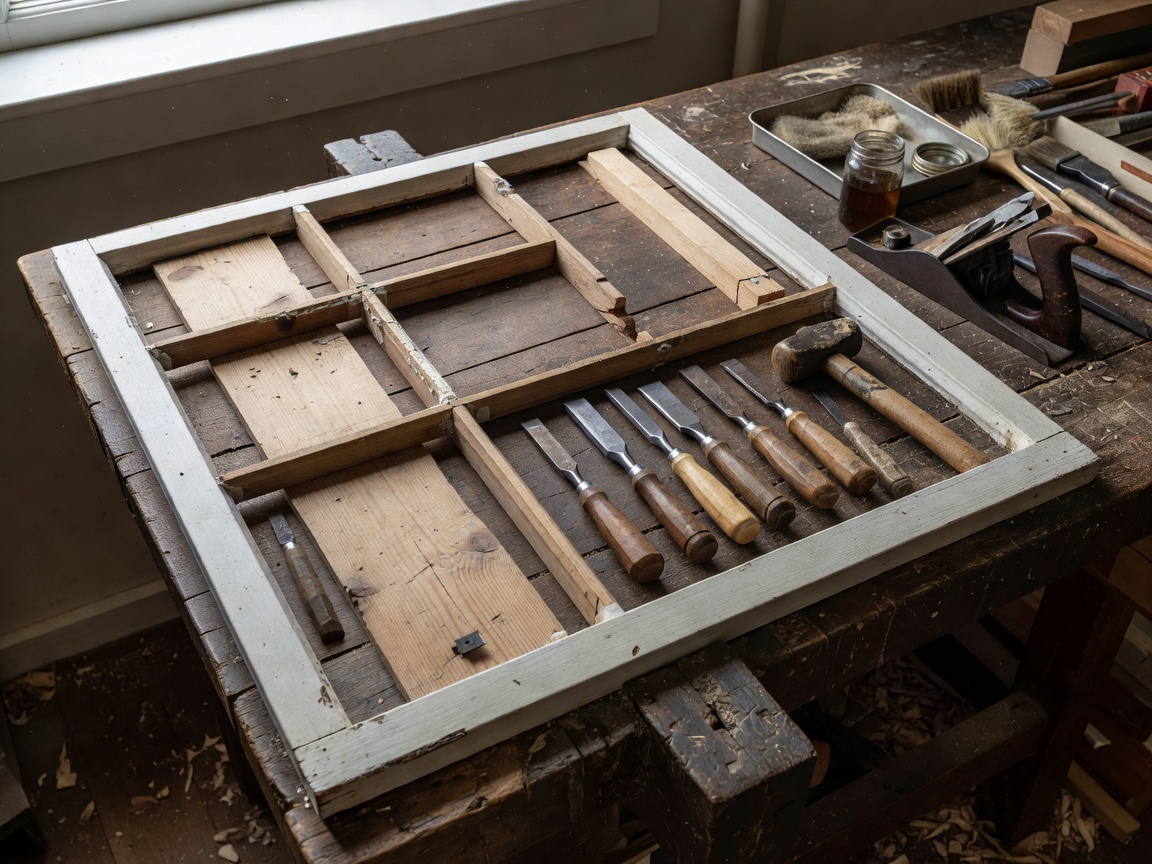
Joinery bench showing dismantled historic window sash alongside chisels and restoration equipment
Systematic Method

Window Restoration

From structural de-glazing and historic paint strata stripping to sash re-hanging and perimeter sealing, understand the full intervention workflow that returns functional ease without replacing authentic building fabric.

Material: Old-Growth Softwood Focus: Whole-Assembly Rehabilitation
Explore Window Restoration →
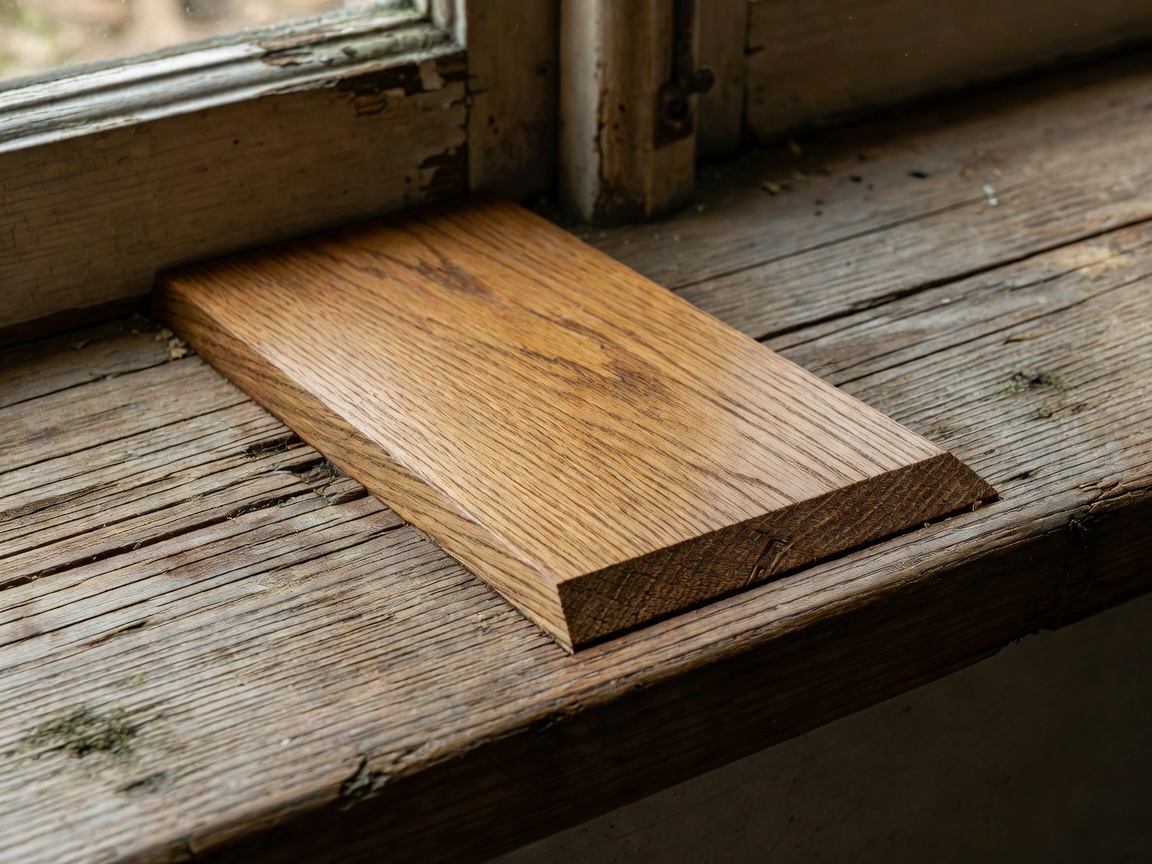
Carefully crafted timber splice repair on a weathered windowsill using seasoned oak
Joinery Craft

Timber Window Repair

Examine localised Dutchman scarf splices, tenon consolidation, and non-destructive rot excision. Discover why retaining 80% sound historic timber beats replacing an entire sash with new plantation wood.

Technique: Dutchman Splicing & Pegging Focus: Moisture Management
Understand Timber Repair →
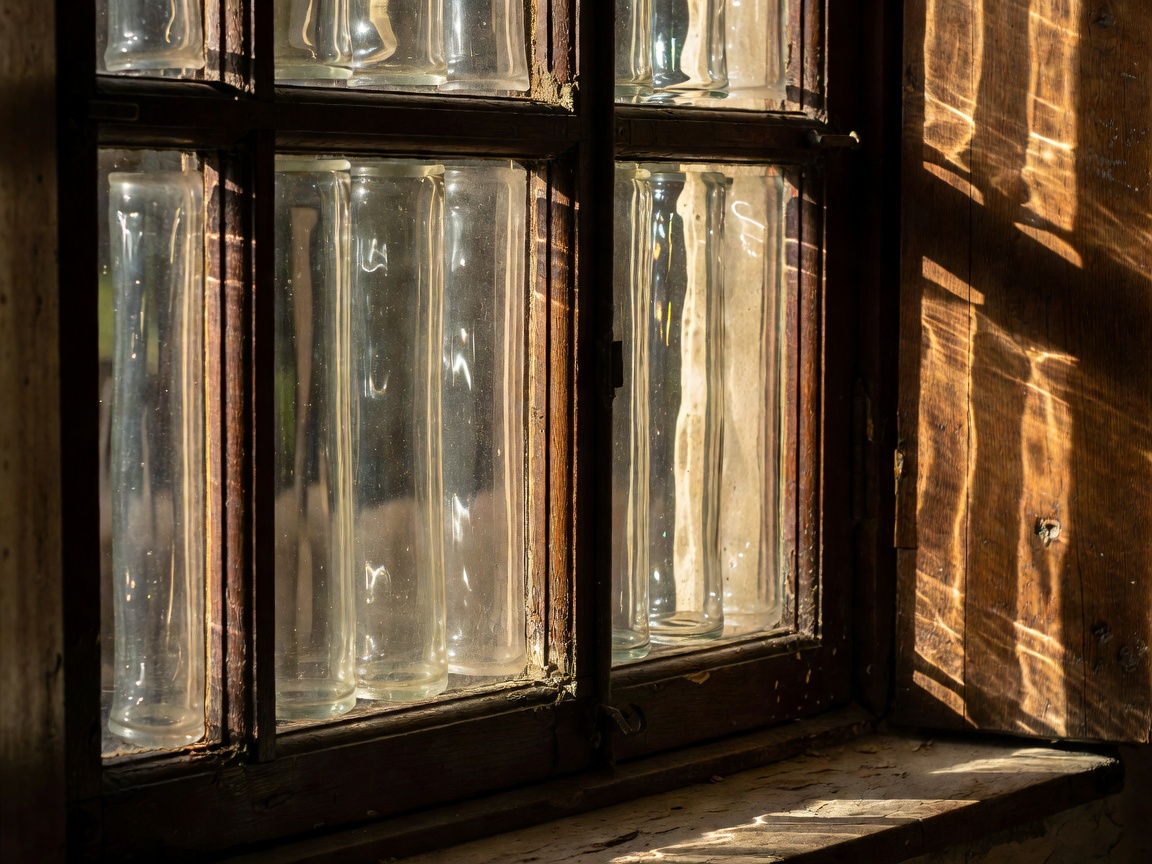
Sunlight reflecting off uneven hand-blown cylinder glass panes within an antique casement frame
Materiality

Historic Glazing

Recognise crown, broad, and drawn sheet glass by their optical movement and ream lines. Balance thermal comfort using discrete secondary interior glazing without destroying thin historic glazing bars.

Material: Hand-drawn & Cylinder Glass Focus: Visual Compatibility
Explore Historic Glazing →
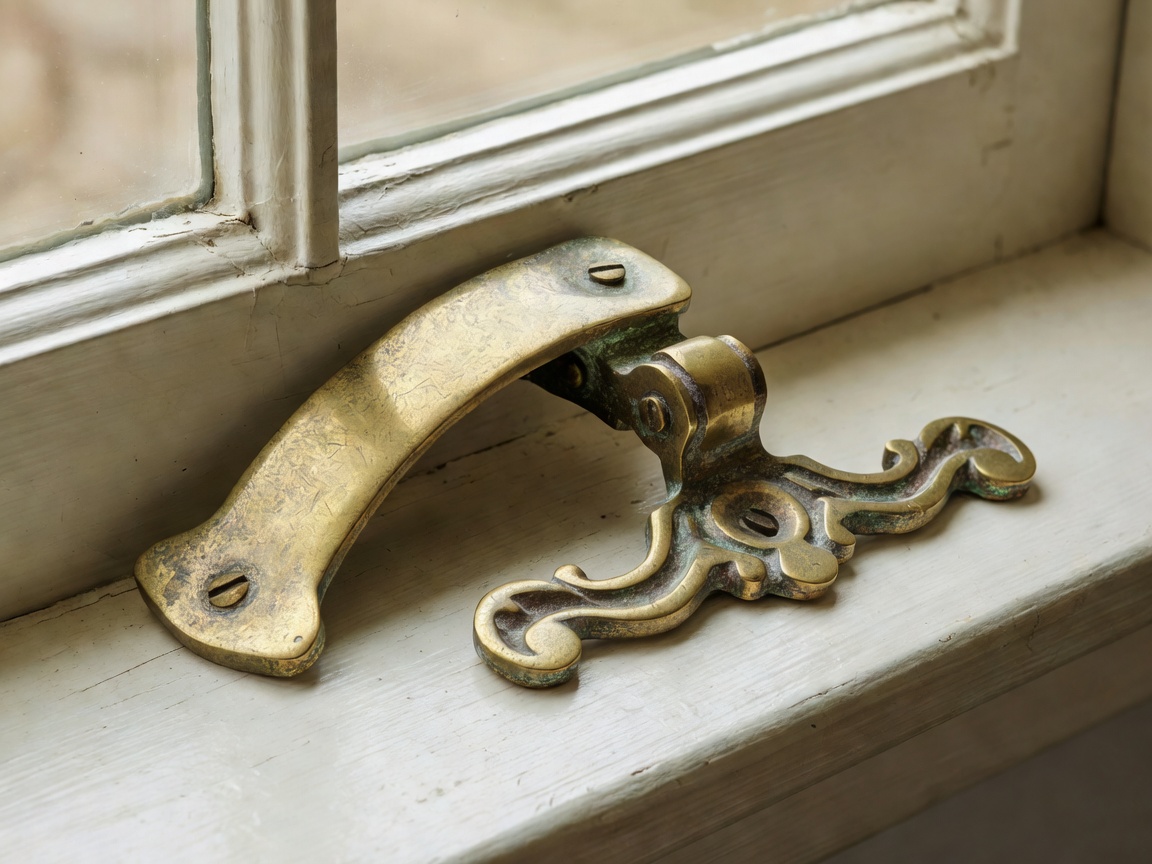
Unlacquered aged brass quadrant sash fastener and decorative stay on a painted timber meeting rail
Architectural Anatomy

Period Window Details

A study of authentic profiles: lamb’s tongue mouldings, horned sash stiles, unlacquered cast brass fitch fasteners, leaded cames, and weighted cord pulleys that give façades their sculptural depth.

Focus: Profiles, Mouldings & Ironmongery Context: Georgian to Interwar Vernacular
View Window Details →
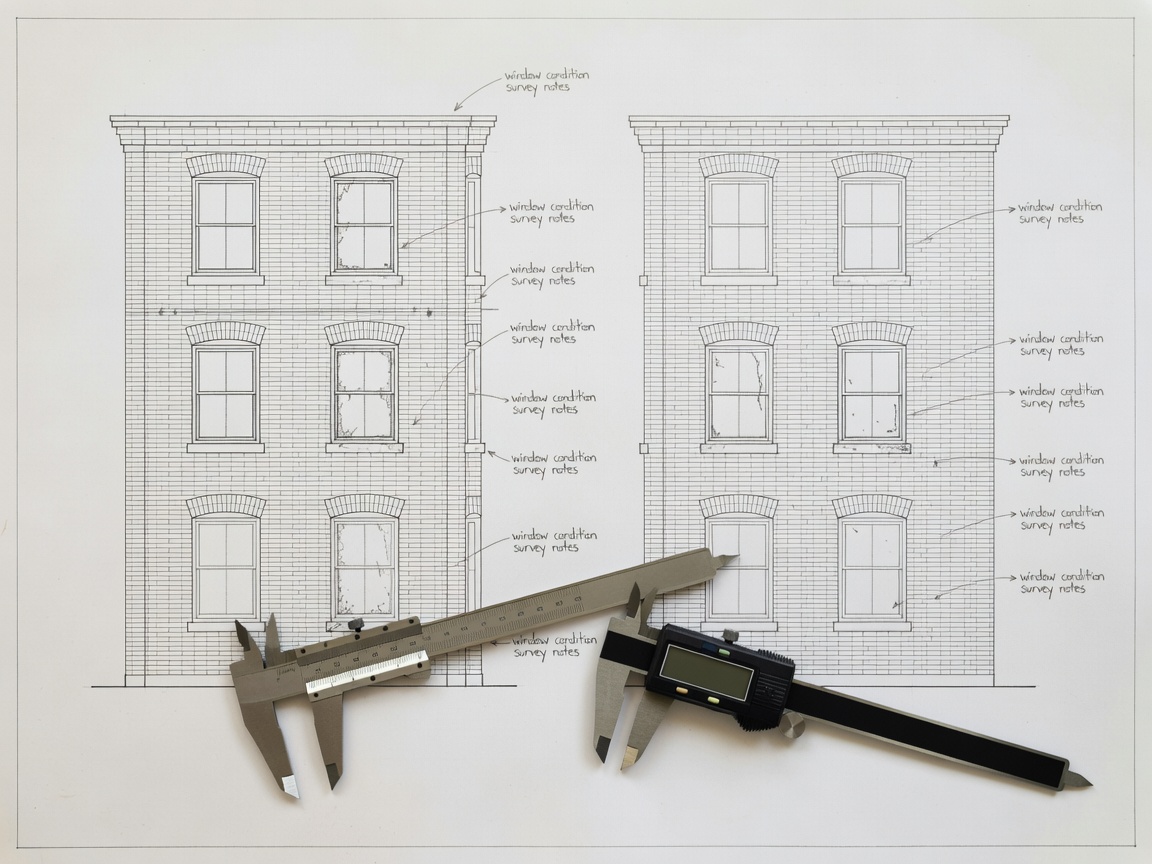
Architectural survey drawing of building elevations with window condition survey notes and calliper tools
Methodology

Conservation Planning

Structure your window audit effectively: compiling itemised defect schedules, prioritising urgent water ingress points, phasing works across seasons, and preparing documentation for local planning advisors.

Documentation: Condition Mapping Focus: Long-term Stewardship
Read Conservation Planning →
SECTION 03 / DIAGNOSTIC OVERVIEW

Common Window Defects & Conservation Remedies

A quick reference comparison of common deterioration symptoms against conservation-grade solutions.

Observed Condition Underlying Mechanism Recommended Conservation Action Common Misstep to Avoid
Cracked, crumbling putty Oxidation of binder oils and moisture infiltration behind glass rebate. Rake out brittle bedding, prime rebate with boiled linseed oil, repoint with traditional chalk/linseed putty. Covering failure with modern silicone or polyurethane sealant that locks in moisture.
Sticking or jammed sashes Accumulated paint layers over decades, distorted parting beads, or swollen bottom rails. Selective mechanical shaving of excess paint, adjusting parting bead alignment, waxing running grooves. Cutting down sash edges excessively, which leaves loose gaps once atmospheric humidity drops.
Soft or spongy sill horn Standing water resting against unprimed end-grain capillary pores. Cut back to sound heartwood, execute an inclined scarf splice in seasoned matching timber with wood dowels. Smearing auto-body filler or surface resin over active fungal decay without timber excision.
Excessive rattling & draughts Shrinkage of timber frame over centuries or missing staff bead tolerances. Rout discrete concealed brush or silicone flanged draught seals into staff and parting beads. Ripping out the historic window to install bulky synthetic double-glazed casements.
COMMENCE A PROJECT STUDY

Documenting historic joinery requires methodical care.

Whether you are custodians of a 19th-century townhouse, managing a residential conservation zone, or restoring individual casements, begin with our technical guides or contact us with your window schedule inquiries.

Manage Cookie Preferences

Select which categories of cookies you consent to use during your session on frienddashbreeze.site.